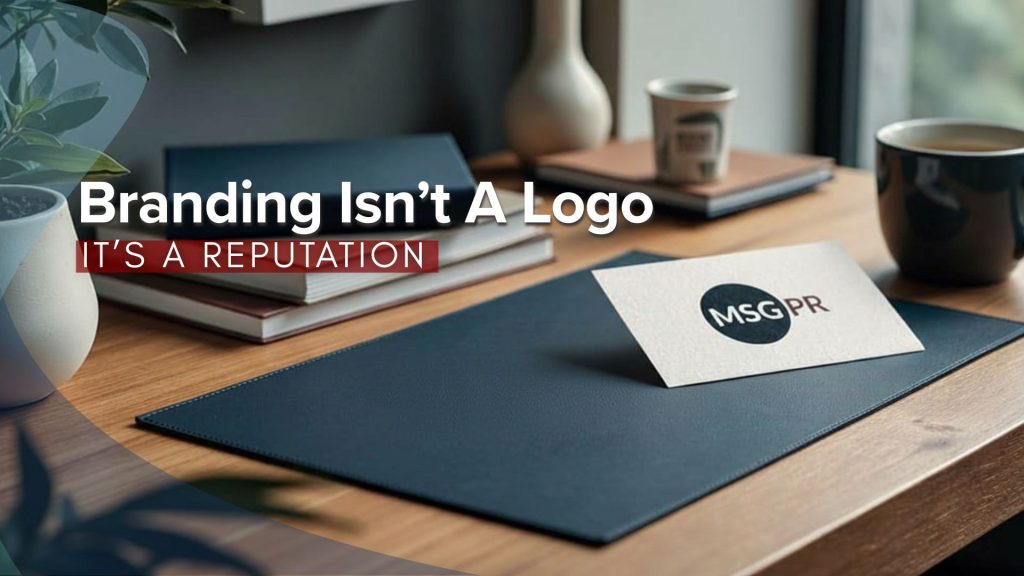
When most people think about branding, they picture visuals.
A logo. A color palette. A font.
Those elements matter — but they’re not the brand. Not even close.
A brand is the reputation that forms when people interact with your business over time. It’s the gut feeling someone has when your name comes up in conversation. It’s whether they lean in or scroll past. It’s the difference between being remembered and being replaceable.
And yet, most businesses spend the majority of their branding budget on the surface — the things people see once — and almost nothing on the deeper work that actually drives loyalty, referrals, and revenue.
Where Branding Really Lives
Branding doesn’t live on a website or a business card. It lives in memory.
It’s shaped by consistency, clarity, and follow-through. By whether a business shows up the same way again and again — or whether every interaction feels like meeting a stranger.
Think about the brands you trust most. Chances are, you can describe them without looking at their logo. You remember how they made you feel. How they communicated. How they handled problems. That’s the brand.
Visuals introduce a brand. Experience defines it.
A sharp logo might earn a first glance. But what earns a second conversation — and a third, and a referral — is the experience behind it. The alignment between what a business says and what a business does.
Why Consistency Matters More Than Creativity
Creative campaigns come and go. Reputation stays.
Businesses that constantly change their message, tone, or identity may look active — but they don’t feel stable. And instability is expensive. It confuses your audience, dilutes your message, and forces you to re-earn trust you should already have.
Stability builds trust. Trust builds preference. Preference builds market position.
That’s why strong brands don’t reinvent themselves every season. They reinforce the same message until it becomes familiar. Until it becomes the first thing people think of when a need arises.
This doesn’t mean your brand should feel stale. It means your brand should feel certain. There’s a difference between evolving with purpose and pivoting out of panic. The brands that dominate their markets know exactly who they are — and they communicate it relentlessly.
Reputation Is Built in Small Moments
Every touchpoint contributes to brand perception — not just the big, planned campaigns, but the small, everyday interactions most businesses overlook:
How quickly someone hears back after reaching out. How clearly information is presented when a question is asked. How problems are handled when something goes sideways. How your team communicates when no one is watching the metrics.
These moments don’t feel like branding — but they are. They’re the raw material of reputation.
Over time, they create a pattern. And patterns create reputation. A business that responds quickly, communicates clearly, and handles friction with professionalism doesn’t need to tell people it’s trustworthy. People already know.
The opposite is also true. A beautiful brand identity can’t outrun a pattern of slow responses, unclear messaging, and dropped balls. No amount of design work fixes a broken experience.
Branding as a Strategic Asset
Most businesses treat branding as a line item — something you do once and move on. But the businesses that grow consistently treat branding as infrastructure. A strategic asset that supports everything else.
When branding is approached strategically, it supports every other marketing effort. Messaging becomes easier because the voice is already established. Decisions become clearer because the positioning provides a filter. Growth becomes more predictable because the market already knows what to expect.
Strong branding doesn’t just attract attention. It reduces friction across the entire business. Sales conversations get shorter. Client expectations align faster. Referrals come with built-in trust because your reputation preceded you.
That’s the real ROI of branding work — not a prettier logo, but a business that’s easier to market, easier to sell, and easier to grow.
The Question Worth Asking
If someone Googled your business name today, what would they find? More importantly — if someone who’d never heard of you asked a past client to describe the experience of working with you, what would they say?
That answer is your brand. Not the colors on your website. Not the tagline on your card.
The pattern of experience you’ve built — or failed to build — over time. That’s what people remember. And that’s what determines whether they choose you or the next name on the list.
Your Brand Is Either Working for You or Against You — There’s No Neutral
At MSGPR, we help businesses stop treating branding like a design project and start treating it like the strategic asset it is. We build brand systems rooted in positioning, consistency, and reputation — the kind of work that doesn’t just look right but performs over time.
If your brand feels disconnected from the results you’re trying to drive — if your marketing looks good but doesn’t convert, if your message changes every quarter, if you’re competing on price instead of reputation — that’s not a design problem. It’s a strategy problem. And it’s exactly what we solve.
[Start a conversation with MSGPR →] Let’s look at where your brand stands today and map out what it’ll take to make it your strongest business asset. Reach out at info@msgpr.com or call us directly at 936-637-7593. No pitch. No fluff. Just a clear-eyed look at what’s working, what’s not, and what comes next.